

Investing in a whole home battery backup system provides homeowners with peace of mind, knowing their home can stay powered during outages. However, one of the most common questions people ask when considering these systems is how long they last. Understanding the lifespan of a battery backup system is crucial for making an informed investment. The longevity of a whole home battery backup depends on several factors, including the type of battery, usage patterns, and maintenance. Let’s learn the details below.

What Affects the Lifespan of a Whole Home Battery Backup?
The lifespan of a whole home battery backup is influenced by a combination of battery chemistry, usage habits, and maintenance practices.
Battery Chemistry and Technology
The type of battery used in your backup system plays a significant role in its longevity. Modern systems, like those from Anker, typically use lithium iron phosphate (LFP) batteries, which are known for their long lifespan, thermal stability, and safety. LFP batteries generally last between 10 and 15 years with proper care, making them a preferred choice for home backup solutions. LFP batteries are more resilient than traditional lithium-ion batteries, offering better performance over time.
How Often the System is Used
The frequency with which a whole home battery backup is used also impacts its lifespan. Systems that are used frequently, whether for regular energy optimization or daily use, may experience a shorter lifespan compared to those that are only used during outages. However, most modern systems are designed to handle daily cycling and offer built-in protections to extend their life. For example, Anker’s SOLIX systems are built with intelligent management features that optimize the battery’s performance while minimizing wear.
Depth of Discharge (DoD)
The depth of discharge refers to how much of the battery's energy is used before it is recharged. The greater the DoD, the more stress the battery experiences, which can reduce its lifespan. High-quality systems typically have a built-in threshold for DoD, ensuring that the battery is not regularly drained to its full capacity, thereby protecting its longevity. Regularly maintaining a shallow discharge cycle will help extend the life of the system.
Environmental Conditions
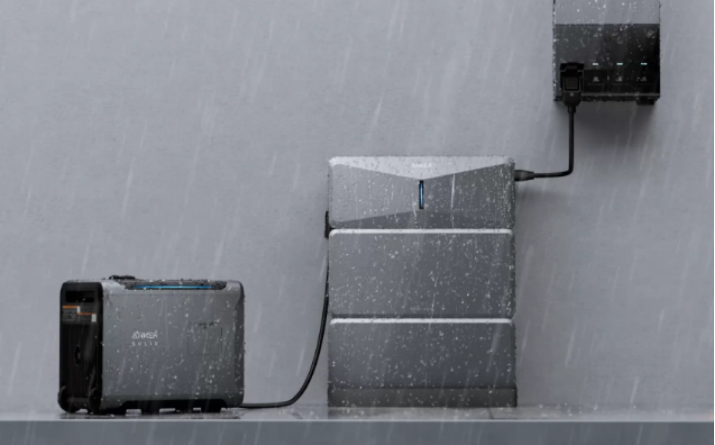
Environmental factors also play a role in the lifespan of a whole home battery backup system. Extreme temperatures, whether hot or cold, can accelerate battery degradation. To ensure your system lasts longer, it should be installed in a cool, dry, and well-ventilated space. Most modern batteries, such as those used in Anker SOLIX solutions, are designed to operate efficiently in a variety of conditions, but proper installation and environmental care can help preserve battery health.
Maintenance and Care
A well-maintained battery backup system lasts longer. Regularly monitoring the system’s performance and ensuring that it’s kept clean and free of debris will contribute to its longevity. Additionally, some systems offer software updates and recalibration features to improve performance over time. For example, Anker’s SOLIX systems include app-based monitoring, allowing homeowners to keep track of battery levels, usage patterns, and performance, making maintenance easier and more efficient.
Warranty and Manufacturer Support
Most high-quality whole home battery systems, including those from Anker, come with a robust warranty, often between 5 and 10 years. This warranty helps protect your investment and ensures that you’ll have support if the system fails prematurely. In the case of a battery failure or performance drop, the manufacturer can often provide a replacement or repair, ensuring your system lasts for the intended lifespan.
Conclusion
Overall, the whole home battery backups typically last between 10 and 15 years, depending on factors like battery technology, usage frequency, depth of discharge, environmental conditions, and maintenance. Investing in a high-quality, well-maintained system can ensure reliable power for the long term. With proper care and attention, a whole home battery backup can provide peace of mind for years, offering both emergency protection and energy savings in the process.