

Portable solar power generators are becoming increasingly popular for homes, camping trips, outdoor worksites, and emergency backup power. They offer a clean, quiet, and portable energy solution without relying on traditional fuel. However, the cost of these generators varies widely, depending on their size, battery type, solar panel capacity, and additional features. Understanding how much a generator costs and what factors drive these costs can help you plan your budget and avoid overspending. This guide breaks down the major cost components, explains pricing differences between small, medium, and large generators, and highlights extra expenses like accessories and maintenance. By the end, you’ll know what to expect before investing in a portable solar generator.
What Determines the Cost of a Portable Solar Generator?
Several factors influence the price of a portable solar power generator. The main components include the battery, solar panels, and electronics. Each of these elements contributes significantly to the overall cost.
Battery Type and Capacity
The battery is the heart of any portable solar generator. Lithium-ion batteries are more expensive but last longer and weigh less than lead-acid alternatives. Generators with higher capacity batteries (measured in watt-hours, Wh) can store more energy, allowing you to power larger devices or run equipment for longer periods. For instance, a 500Wh lithium battery will cost more than a 200Wh lead-acid battery, but it offers better efficiency, durability, and portability. The battery’s lifespan, usually measured in charge cycles, also affects the cost. Investing in a high-quality battery may have a higher upfront cost but reduces replacement expenses over time.
Solar Panel Quality and Output
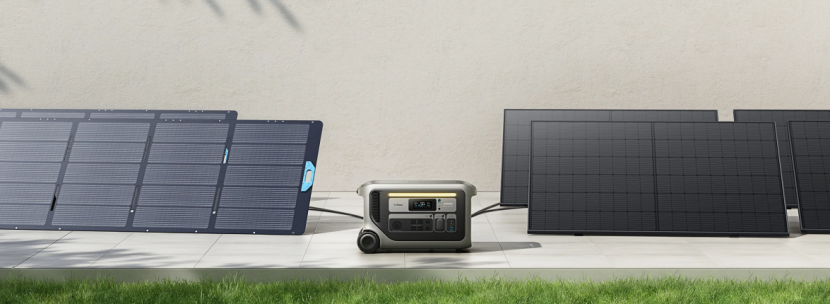
The solar panel determines how quickly your generator can recharge. Higher efficiency panels convert more sunlight into electricity but are more expensive. Portable generators often use monocrystalline or polycrystalline panels, with monocrystalline being more efficient and durable. The number of panels included and their total wattage also affect the price. For example, a generator with 100W solar input will recharge slower than a model with 200W input. Some generators allow you to add extra panels, which increases initial cost but improves recharge speed.
Inverter and Other Electronics
The inverter converts stored DC power in the battery to AC power for your devices. Pure sine wave inverters are more expensive than modified sine wave inverters but provide stable power suitable for sensitive electronics. Additional electronics, like USB ports, car outlets, and MPPT charge controllers, add to the cost. Generators with advanced monitoring screens, smart app connectivity, and multiple output options usually cost more but offer convenience and efficiency.
How Much Do Different Sizes of Portable Solar Generators Cost?
Generator size significantly affects the price. Costs increase with capacity and features.
Small Portable Generators (100–300W)
Small generators are ideal for charging phones, laptops, small lights, or mini appliances. Prices typically range from $200 to $500, depending on battery type and panel efficiency. These models are lightweight and highly portable, making them perfect for camping or short-term power needs.
Medium Portable Generators (300–1000W)
Medium-sized generators can handle larger appliances like mini-fridges, power tools, or multiple devices simultaneously. Prices range from $500 to $1,200. They often include higher-capacity lithium batteries and multiple solar input options, allowing faster recharging. These are a good choice for outdoor worksites, RVs, or extended trips.
Large Portable Generators (1000W+)
Large generators are suitable for homes or emergency backup, capable of running heavy appliances like refrigerators, TVs, and sump pumps. Prices usually start around $1,200 and can exceed $2,500. They feature high-capacity batteries, multiple inverter outputs, and sometimes expandable solar input, offering extended runtime and reliability.
Additional Costs to Consider
Cables, Mounts, and Accessories
To fully utilize your generator, you may need extension cables, solar panel mounts, and protective cases. These accessories can add $50–$200 depending on quality and quantity.
Maintenance and Replacement Parts
While solar generators require less maintenance than fuel-based generators, batteries degrade over time. Replacement batteries or worn cables can cost $100–$500. Proper care, like avoiding extreme temperatures and overcharging, helps extend battery life and reduces these costs.
Is a Portable Solar Generator Worth the Investment?
Investing in a portable solar generator can save money long-term, especially when compared to fuel-based generators. They eliminate fuel costs, reduce maintenance, and provide quiet, eco-friendly energy.
Comparing Long-Term Savings vs Initial Cost
While the upfront cost may seem high, savings from avoiding gasoline, oil changes, and frequent repairs often outweigh the initial investment. For daily or frequent use, the generator can pay for itself within a few years.
Scenarios Where a Generator Pays Off Quickly
Portable solar generators are valuable for camping, RV trips, off-grid living, and emergency preparedness. In areas with frequent power outages, they provide reliable backup power. For outdoor work, they eliminate the need for noisy gas generators. In all cases, they offer convenience, flexibility, and environmental benefits that justify the cost.
Conclusion
The cost of a portable solar generator depends on battery type, solar panel output, inverter quality, and additional features. Small generators are budget-friendly, medium models offer balanced performance, and large units provide reliable power for homes or emergencies. Extra costs like cables, mounts, and maintenance should be considered when planning your budget. While the upfront price may seem high, long-term savings, environmental benefits, and convenience often make portable solar generators a worthwhile investment. By understanding cost breakdowns and choosing the right size for your needs, you can make an informed decision and enjoy clean, portable, and reliable power wherever you go.